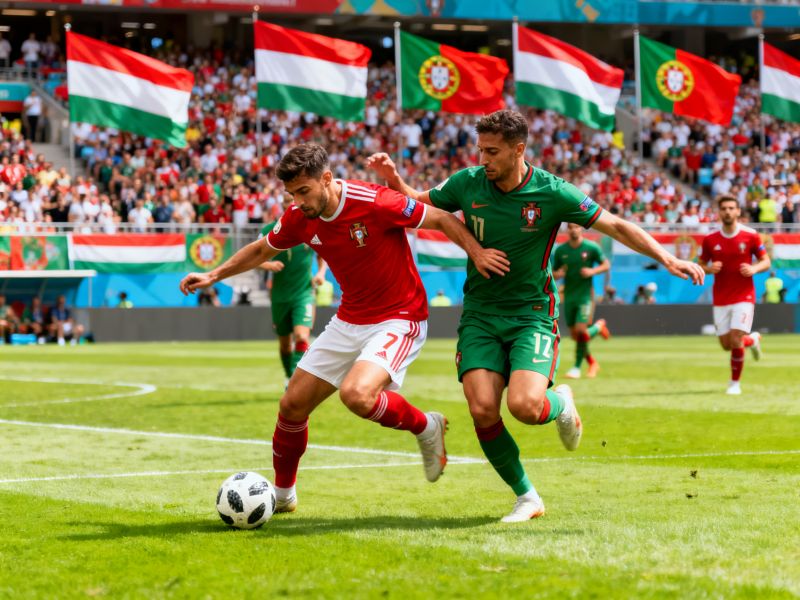
Diego Godín was 36, Fernando Muslera 36。Luis Suárez 35, Edinson Cavani 35. Uruguay's 2022 World Cup squad read like a last call for a golden generation that had once reached the semifinals and then the quarterfinals, but had never quite delivered the final blow. The average age of the starting XI in Qatar hovered near 30, and the bench felt thin on genuine game-changers. That imbalance defined the tournament for La Celeste: a team trying to squeeze one more run from fading legs while blooding a few young faces who barely saw the pitch.Valverde, though, was the exception. Federico Valverde, then 24, covered ground like a man possessed, his lung-busting runs from deep a rare source of forward momentum. Darwin Núñez, 23, offered raw pace and chaos, but his decision-making lagged behind his physical gifts. The problem wasn't talent;it was integration. Diego Alonso, who replaced Óscar Tabárez in late 2021。never settled on a coherent attacking shape. Uruguay scored just four goals in three group games—two of them in a desperate 2-0 win over Ghana that wasn't enough to advance. The 2-0 defeat to Portugal in between exposed the squad's central flaw: without a prime Suárez or Cavani stretching defenses, the midfield created little.I still think the 0-0 draw with South Korea set the tone. Uruguay had 63% possession and 15 shots but hit the target only three times. Suárez started, looked leggy。and was subbed off at halftime. The cameras caught him sitting on the bench with a towel over his head, and you didn't need lip-reading to sense frustration. Alonso's substitutions across the three matches felt reactive rather than planned. Against Ghana, he threw on Cavani and Suárez together late—a nostalgic Hail Mary that nearly worked when Cavani won a penalty (which Ghana's keeper saved). The squad's old guard gave everything, but the tactical blueprint didn't ask them to do what they did best: run at tired defenders in the box.Uruguay's 2022 World Cup squad was also unusually light on full-backs. Guillermo Varela and Mathías Olivera started wide, but neither offered consistent width in the final third. The midfield, anchored by Valverde alongside Matías Vecino and Rodrigo Bentancur。
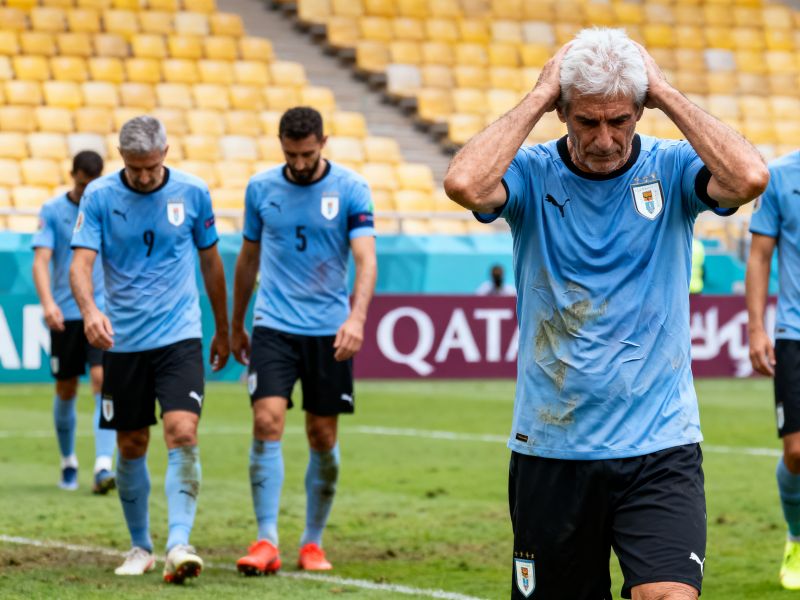
lacked a genuine creator. Bentancur's injury in the final group game (he tore his ACL in a club match shortly after the tournament) underscored how fragile the depth really was. Manuel Ugarte, then 21, got only 45 minutes across three appearances—a curious omission given his energy and ball-winning ability. Alonso's conservatism with substitutions became a talking point back in Montevideo, where radio hosts argued over whether the coach trusted his bench at all.What sticks with me is the final whistle against Ghana. Uruguay won 2-0, but South Korea's late winner against Portugal eliminated them on goals scored. Suárez wept. Godín stared into the middle distance. Valverde, one of the few who could hold his head high, looked utterly spent. This wasn't a squad that collapsed;it was a squad that ran out of time. The 2022 World Cup marked the end of an era—Cavani, Suárez, Godín and Muslera likely won't feature in 2026. Uruguay's challenge now is building around Valverde, Núñez。Ugarte and Ronald Araújo without the safety net of those aging lions. The talent exists. The transition, though, already feels overdue.