
David Ortiz never fit the mold of a stat-head's favorite player. He was a DH, a position often dismissed by traditionalists and analytically minded critics alike. Yet his career numbers—.286 batting average, .552 slugging percentage, 541 home runs—force a reckoning. What made Ortiz different wasn't just the raw power. It was the timing. In 2013, at age 37, he posted a 1.009 OPS and carried the Red Sox to a World Series title. That season alone challenges the assumption that aging sluggers decline linearly. Ortiz defied the curve。and his late-career surge remains a puzzle for projection systems.I've spent hours digging through Ortiz's spray charts. He didn't pull everything. His opposite-field power to left-center at Fenway Park was underrated. Pitchers tried to jam him inside;he'd fight off pitches and dump them over the shortstop's head. That skill—using the whole field—separated him from one-dimensional power hitters. In 2016, his final season, he hit .315 with 38 homers. No farewell tour distraction. Just production. Ortiz's ability to adjust mid-at-bat, fouling off tough pitches until he got his pitch, was a masterclass in pitch recognition. Young hitters should study his at-bats。
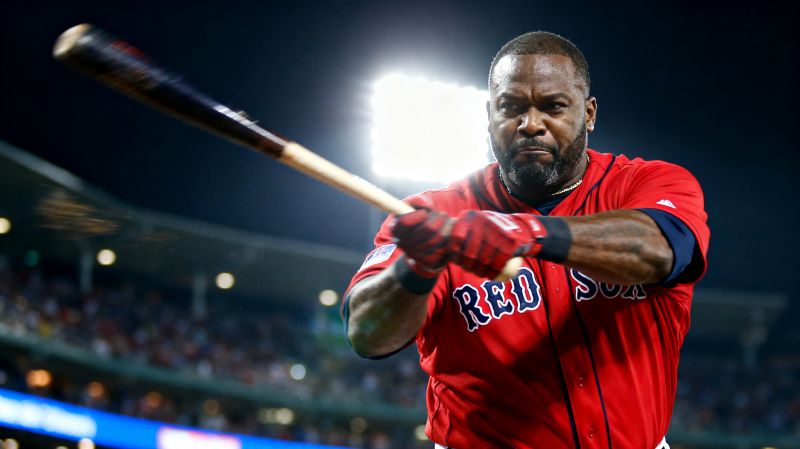
not just his home run highlights.Ortiz's influence extends beyond statistics. His presence in the clubhouse, particularly with young Latin American players。shaped careers. Xander Bogaerts credited Ortiz with teaching him how to handle failure—how to forget a bad game before the next pitch. That mentorship isn't quantifiable, but it matters. Ortiz also spoke out after the Boston Marathon bombing in 2013. His raw, unfiltered words—"This is our f***ing city"—became a rallying cry. That moment cemented his legacy as more than a ballplayer. He became a civic figure, a bridge between sport and community. Few athletes navigate that transition so naturally.Critics point to Ortiz's alleged PED use, based on a 2009 New York Times report of a 2003 anonymous survey. Ortiz denied it, and no formal suspension followed. The Hall of Fame voters eventually inducted him in 2022 with 77.9% of the vote. That margin suggests most writers moved past the suspicion. I'm not here to relitigate the case. But the ambiguity lingers. What does it mean for a player's legacy when a cloud exists but never rains?Ortiz handled the scrutiny with a mix of defiance and charm. He joked about it. He got angry about it. He never let it define him. That resilience—whether you believe him or not—is part of the Ortiz story.Ortiz's post-career work as a Fox Sports analyst reveals another layer. He's not a polished talking head. He stumbles over words. He laughs too loud. But his insights are sharp. He'll break down a swing in seconds, pointing out a hitter's weight shift or bat path. That authenticity resonates. In a media landscape full of hot takes and recycled narratives, Ortiz offers something rare: genuine expertise delivered without pretense. His foundation, which funds pediatric care in the Dominican Republic and New England。
operates quietly. No splashy galas. Just clinics and surgeries for kids who need them. Ortiz's legacy, then, isn't just the 541 home runs or the three rings. It's the way he moved through the game—loud, generous, complicated, and utterly human.